

As a supplier of Dumb Waiters, I understand the importance of sound insulation in these systems. Dumb waiters are small freight elevators used to transport goods between different floors of a building, commonly found in homes, restaurants, hotels, and commercial kitchens. The noise generated by a dumb waiter can be a significant concern, especially in environments where quietness is essential, such as residential areas or fine - dining restaurants. In this blog, I will explore various sound - insulation options for dumb waiters.
1. Enclosure Design
One of the most effective ways to reduce the noise from a dumb waiter is through proper enclosure design. The enclosure acts as a physical barrier that prevents the sound from escaping into the surrounding environment.
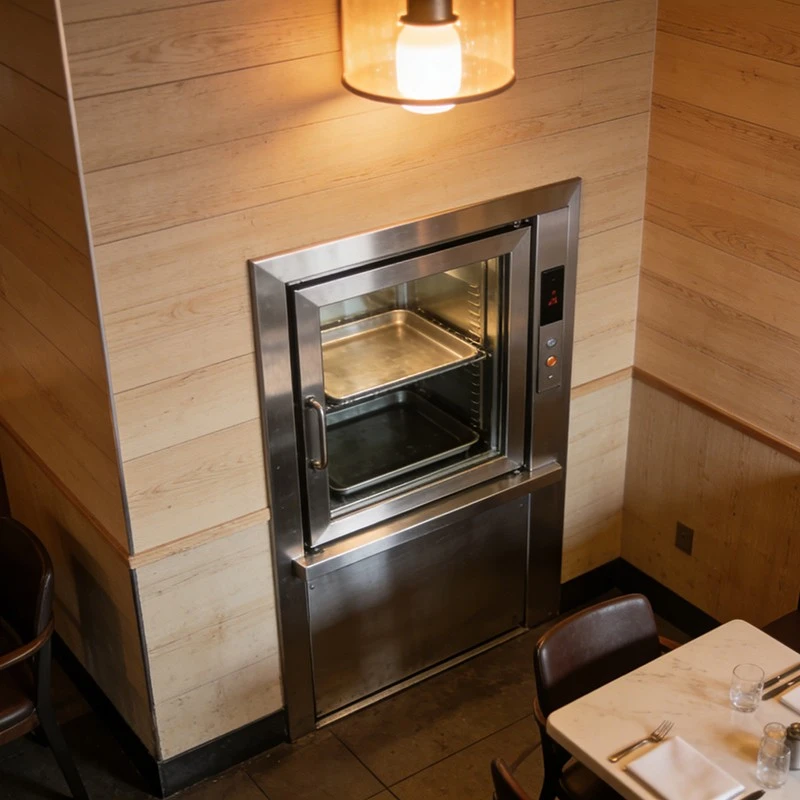
- Solid Materials: Using solid and dense materials for the enclosure can significantly dampen the sound. For example, steel or thick - walled aluminum enclosures are excellent choices. Steel has high mass, which helps in absorbing and blocking sound waves. A well - constructed steel enclosure can reduce the noise level by a considerable margin. You can find high - quality Dumbwaiter Lift with solid enclosures that are designed to minimize sound transmission.
- Sealing: Ensuring that the enclosure is properly sealed is crucial. Any gaps or openings in the enclosure can allow sound to leak out. Weatherstripping can be used around the doors and joints of the dumb waiter enclosure. This flexible material fills in the gaps and creates an airtight seal, preventing sound from escaping. Additionally, gaskets can be installed at the edges of the enclosure panels to further enhance the sealing.
2. Sound - Absorbing Linings
Adding sound - absorbing linings inside the dumb waiter enclosure can also help in reducing noise.
- Acoustic Foam: Acoustic foam is a popular choice for sound absorption. It has a porous structure that traps sound waves and converts them into heat energy. When installed on the walls, ceiling, and floor of the dumb waiter enclosure, acoustic foam can significantly reduce the reverberation and overall noise level. There are different types of acoustic foam available, such as open - cell and closed - cell foam. Open - cell foam is more effective at absorbing high - frequency sounds, while closed - cell foam can also provide some insulation against low - frequency sounds.
- Fiberglass Insulation: Fiberglass insulation is another effective sound - absorbing material. It consists of fine glass fibers that create a maze - like structure for sound waves. When sound waves enter the fiberglass insulation, they get scattered and absorbed. Fiberglass insulation is not only good at sound absorption but also provides thermal insulation, which can be an added benefit for dumb waiters. It can be installed in panels inside the enclosure, and it is relatively easy to cut and fit to the required dimensions.
3. Motor and Drive System Isolation
The motor and drive system of a dumb waiter are significant sources of noise. Isolating these components can help in reducing the noise transmitted to the rest of the building.
- Vibration Isolators: Motor vibrations are a major contributor to the noise. Vibration isolators can be used to decouple the motor from the surrounding structure. Rubber mounts or springs can be placed between the motor and its mounting platform. These isolators absorb the vibrations generated by the motor and prevent them from being transferred to the enclosure and the building structure. By reducing the vibrations, the noise level is also reduced.
- Quiet Motor Selection: Choosing a quiet motor is also important. Some motors are designed to operate with less noise. For example, brushless DC motors are generally quieter than traditional brushed motors. They have fewer moving parts and generate less mechanical noise. When selecting a motor for a dumb waiter, it is advisable to look for motors with low - noise ratings.
4. Track and Guide Rail Treatment
The movement of the dumb waiter car along the track and guide rails can also produce noise. Treating these components can help in reducing the noise.
- Lubrication: Regular lubrication of the track and guide rails can reduce friction and noise. Using a high - quality lubricant can ensure smooth movement of the dumb waiter car. The lubricant forms a thin film between the moving parts, reducing the contact and the resulting noise. However, it is important to use the right type of lubricant that is suitable for the materials of the track and guide rails.
- Track Padding: Adding padding to the track and guide rails can also dampen the noise. Rubber or felt padding can be installed along the sides of the track. This padding absorbs the impact and vibrations when the dumb waiter car moves along the track, reducing the noise generated.
5. Installation Considerations
Proper installation of the dumb waiter is crucial for sound insulation.

- Isolated Mounting: The dumb waiter should be mounted on an isolated structure. This can prevent the transfer of vibrations and noise to the building. For example, using rubber or spring - loaded mounts between the dumb waiter and the floor or wall can isolate it from the rest of the structure. This is especially important in multi - story buildings where the noise can travel through the building structure.
- Proper Alignment: Ensuring that the dumb waiter is properly aligned during installation is also important. Misaligned tracks or guide rails can cause the dumb waiter car to move unevenly, resulting in increased noise. A professional installation team should be used to ensure that all components are installed correctly and are in proper alignment.
Application - Specific Considerations
The sound - insulation requirements may vary depending on the application of the dumb waiter.
- Home Use: For Dumbwaiter Lift for Home, quiet operation is often a top priority. Homeowners want to avoid any disturbing noise that could disrupt the peaceful environment. In this case, a combination of all the above sound - insulation options may be necessary. A well - sealed enclosure with sound - absorbing linings, a quiet motor, and proper installation on an isolated structure can ensure that the dumb waiter operates quietly in a home setting.
- Restaurant Use: In a Restaurant Dumbwaiter, the noise from the dumb waiter can affect the dining experience of customers. Therefore, sound insulation is crucial. The enclosure should be designed to be as quiet as possible, and additional measures such as vibration isolation and track treatment may be required. A quiet dumb waiter can enhance the overall atmosphere of the restaurant and improve customer satisfaction.
Conclusion
Sound insulation is an important aspect of dumb waiter design and installation. By using a combination of enclosure design, sound - absorbing linings, motor and drive system isolation, track and guide rail treatment, and proper installation techniques, the noise level of a dumb waiter can be significantly reduced. Whether it is for a home or a restaurant, a quiet dumb waiter can provide a better user experience.
If you are interested in purchasing a Dumb Waiter with excellent sound - insulation features, feel free to contact us for more information and to discuss your specific requirements. We are here to help you find the perfect dumb waiter solution for your needs.
References
- "Building Acoustics: Noise Control and Sound Design", by Julian Marshall
- "Elevator Technology Handbook", edited by R. A. Legg


